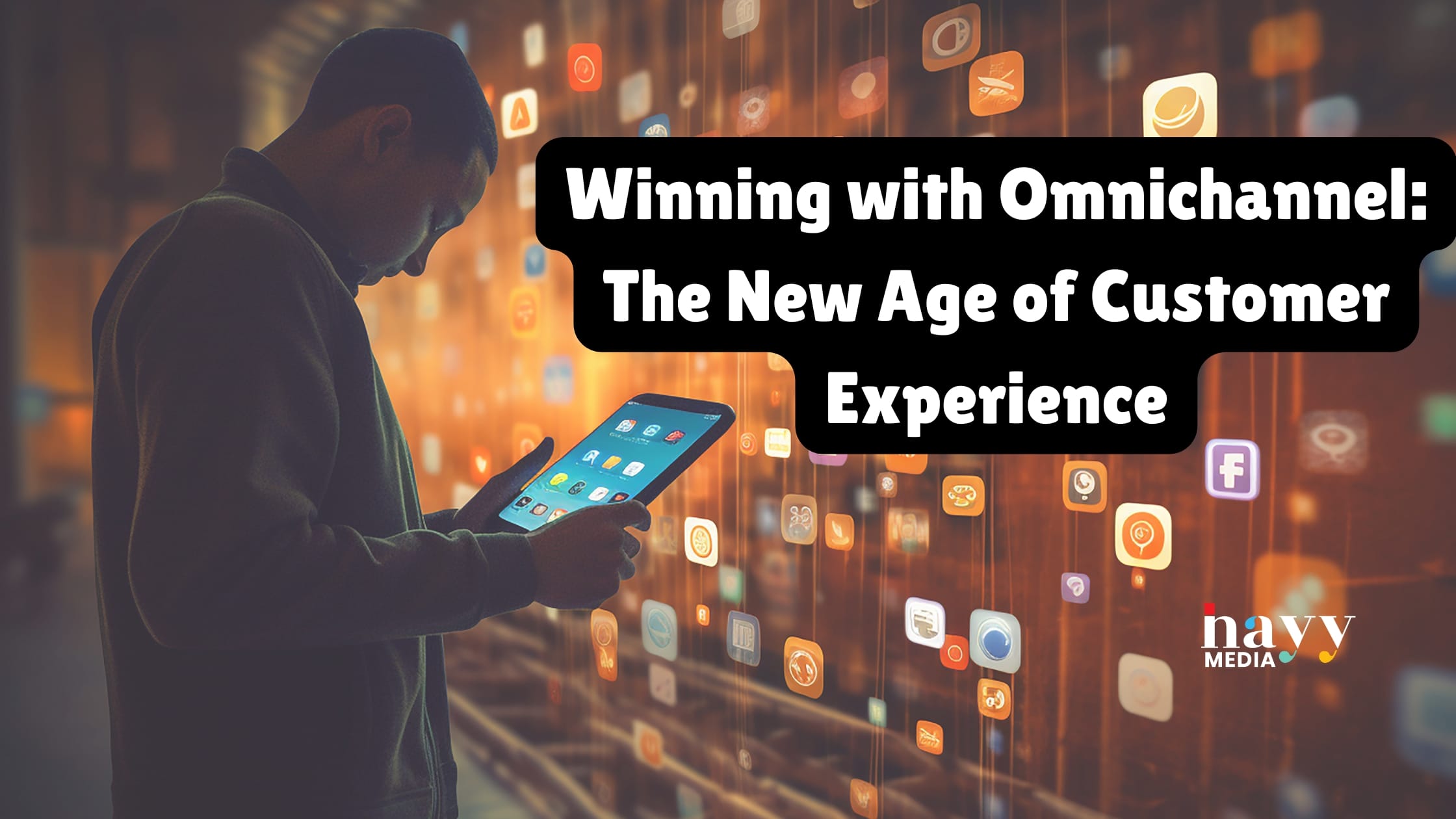
The Evolution of Customer Experience: How Brands are Winning with Omnichannel Strategies
- Hayy Media
- November 5, 2024
- INSPIRATION
- blog, brand engagement trends, customer experience evolution, omnichannel marketing strategies, personalized shopping experience, seamless customer journey
- 0 Comments
The Evolution of Customer Experience: How Brands are Winning with Omnichannel Strategies
In an era defined by rapid digital transformation, brands are discovering that the key to capturing and retaining customer loyalty lies in seamless, omnichannel experiences. The modern consumer interacts with brands across multiple touchpoints—websites, social media, email, in-store visits, mobile apps, and more. To succeed, businesses must craft integrated strategies that not only meet customers wherever they are but also provide a cohesive, meaningful experience.
Here at HAYY Media, we understand the vital role that omnichannel strategies play in brand success. Creating a fluid customer journey means eliminating the friction between channels and fostering an environment where every interaction reinforces the brand’s identity and mission.
Why Omnichannel Matters
Consumers today demand consistency. They expect to start a transaction on one channel and continue seamlessly on another without needing to repeat any steps. According to a recent study, over 73% of consumers use multiple channels during their purchase journey, and nearly 90% of consumers feel that brands should provide a seamless experience across all channels. When executed well, omnichannel strategies can boost customer retention rates and overall satisfaction.
Omnichannel is not about being present on all channels at all times—it’s about being present on the right channels, based on data and insights, to deliver a personalized and impactful experience. By harnessing an omnichannel approach, brands can increase engagement, drive sales, and cultivate a loyal customer base.
Key Components of a Successful Omnichannel Strategy
- Unified Customer Data Omnichannel success depends on having a 360-degree view of the customer. This means consolidating data from various sources—website analytics, social media, CRM systems, and point-of-sale data—into a single, unified profile. Unified data enables brands to personalize interactions across platforms, such as recommending products based on browsing history or offering discounts based on previous purchases.
- Consistent Messaging Consistency is crucial in creating a seamless experience. A customer who sees a product promotion on Instagram should encounter the same offer when they visit the brand’s website. Aligning messages across channels ensures that the brand narrative remains strong, no matter how the customer engages.
- Personalization With unified data, brands can personalize the customer journey. From sending a follow-up email after a cart abandonment to offering exclusive in-store discounts, personalization strengthens customer loyalty. Today’s customers are more likely to stick with a brand that anticipates their needs and provides relevant, timely interactions.
- Real-Time Support Customers expect immediate, responsive support. Whether through chatbots, live chats, or in-store assistance, real-time support can address concerns and answer questions. Real-time assistance across channels, backed by a history of customer interactions, helps create a supportive and positive experience.
- Flexible Fulfillment Options With the rise of “buy online, pick up in-store” (BOPIS) and home delivery options, flexible fulfillment options are becoming essential. Customers appreciate having choices that allow them to decide how and when they receive their purchases. Brands that offer these flexible options not only enhance customer satisfaction but also build resilience against the unpredictability of modern shopping behavior.
Omnichannel Success Stories
Brands across various industries are using omnichannel strategies to their advantage. A notable example is Starbucks, which offers a unified loyalty program that spans their mobile app, website, and in-store experience. Customers can use their app to check rewards, place an order, and pay, seamlessly integrating their digital and physical interactions with the brand. This approach has led to a loyal customer base and increased revenue, demonstrating the power of a well-executed omnichannel strategy.
Nike is another brand setting the standard, blending digital and in-store experiences by allowing customers to browse and reserve products via their app, then try them on in-store. This approach has effectively elevated the brand’s customer engagement and enhanced its market positioning.
Looking Ahead: The Future of Omnichannel
As technology continues to evolve, omnichannel strategies will integrate further with AI, predictive analytics, and personalization engines to deliver even more seamless experiences. Customers are likely to see more innovative approaches, like augmented reality (AR) product try-ons, interactive virtual stores, and enhanced in-store experiences driven by IoT.
Omnichannel is not just a trend—it’s the new normal. For brands looking to thrive in the future, embracing an omnichannel approach is essential. At HAYY Media, we’re committed to helping brands connect with their audiences in impactful ways that inspire loyalty and drive growth. By keeping the customer at the heart of every strategy, brands can create experiences that resonate and build lasting connections.
DISCOVER MORE ENGAGING CONTENT



Leave A Comment