#ARAdvertising #VRMarketing #ImmersiveExperience #HAYYMedia #InnovativeAdvertising #FutureOfMarketing #Nike #Ikea #CocaCola
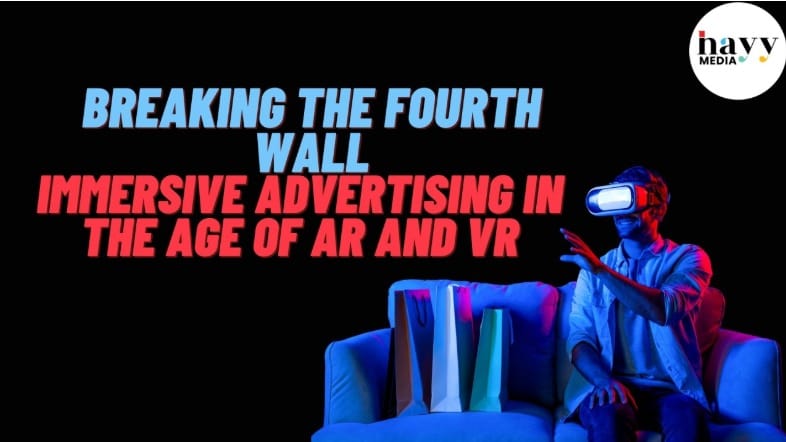
Breaking the Fourth Wall: Immersive Advertising in the Age of AR and VR
- Hayy Media
- December 18, 2024
- INSPIRATION
- AR VR marketing, augmented reality advertising, blog, breaking the fourth wall in ads, immersive advertising trends, virtual reality in marketing campaigns
- 0 Comments
Breaking the Fourth Wall: Immersive Advertising in the Age of AR and VR
The advertising industry is undergoing a seismic shift with the rise of immersive technologies like Augmented Reality (AR) and Virtual Reality (VR). No longer confined to static screens or fleeting impressions, brands are now offering consumers a chance to step directly into their stories. This evolution—powered by AR and VR—is blurring the lines between entertainment and marketing, creating experiences that captivate audiences like never before.
Immersive Advertising: What’s the Buzz About?
Immersive advertising uses AR and VR to engage consumers on a deeper, interactive level. Unlike traditional formats that present a message, these technologies allow users to become part of the message. Whether it’s trying on a virtual outfit via AR or exploring a branded world in VR, immersive advertising fosters active participation.
AR enhances reality by overlaying digital elements onto the physical world. Think Instagram filters or Pokémon GO, but tailored to brand storytelling. VR, on the other hand, creates entirely new environments, transporting users to spaces where brands can interact with them one-on-one.
Why Now?
The growth of AR and VR is fueled by advancements in technology and consumer demand for unique, engaging content. With global spending on AR and VR expected to reach $160 billion by 2025, these tools are no longer futuristic novelties—they’re mainstream opportunities. Hardware like Meta’s Quest, Apple’s Vision Pro, and smartphones with AR capabilities have made immersive experiences more accessible than ever.
For brands, it’s an irresistible proposition: immersive ads not only capture attention but also leave lasting impressions. Studies show that VR experiences have a 27% higher emotional engagement rate than traditional ads, making them a powerful tool for brand recall.
Real-World Examples
- Nike’s AR Shoe Try-On Nike’s AR app lets users see how sneakers will look on their feet in real-time. By combining convenience with personalization, the brand bridges the gap between online and in-store shopping.
- Coca-Cola’s VR Santa’s Sleigh Ride Coca-Cola took consumers on a virtual sleigh ride with Santa, immersing them in a magical Christmas experience. This VR campaign brought holiday cheer and strengthened brand loyalty.
- IKEA’s Place App IKEA uses AR to let customers visualize how furniture would look in their homes. This practical application of immersive technology enhances decision-making and minimizes buyer uncertainty.
The Benefits of Immersive Advertising
- Deeper Engagement: Immersive ads keep users hooked longer by providing a hands-on experience.
- Memorability: The sensory impact of AR and VR ensures that the audience remembers the interaction.
- Personalization: Brands can tailor AR/VR experiences to individual preferences, creating a bespoke connection.
- Innovation Appeal: Using cutting-edge tech positions a brand as forward-thinking and trend-savvy.
Challenges to Overcome
Despite its potential, immersive advertising isn’t without hurdles. The cost of developing high-quality AR/VR content can be significant, and access to VR headsets remains limited in certain markets. Additionally, crafting seamless experiences that don’t feel gimmicky requires creativity and strategic thinking.
The Future of Immersive Advertising
As AR and VR technologies evolve, their application in advertising will expand. AI-driven personalization, mixed reality (MR), and haptic feedback are set to make immersive ads even more dynamic. Imagine walking into a virtual store, interacting with products, and even feeling their textures—all from your living room.
For brands willing to embrace this frontier, the rewards are immense. Immersive advertising not only creates memorable moments but also establishes an emotional connection that traditional media struggles to achieve.
At HAYY Media, we’re excited about the potential of AR and VR to redefine storytelling. As immersive technologies continue to break the fourth wall, they offer a unique opportunity for brands to invite their audiences into worlds they’ve never explored before.
Are you ready to dive in?
DISCOVER MORE ENGAGING CONTENT


Leave A Comment