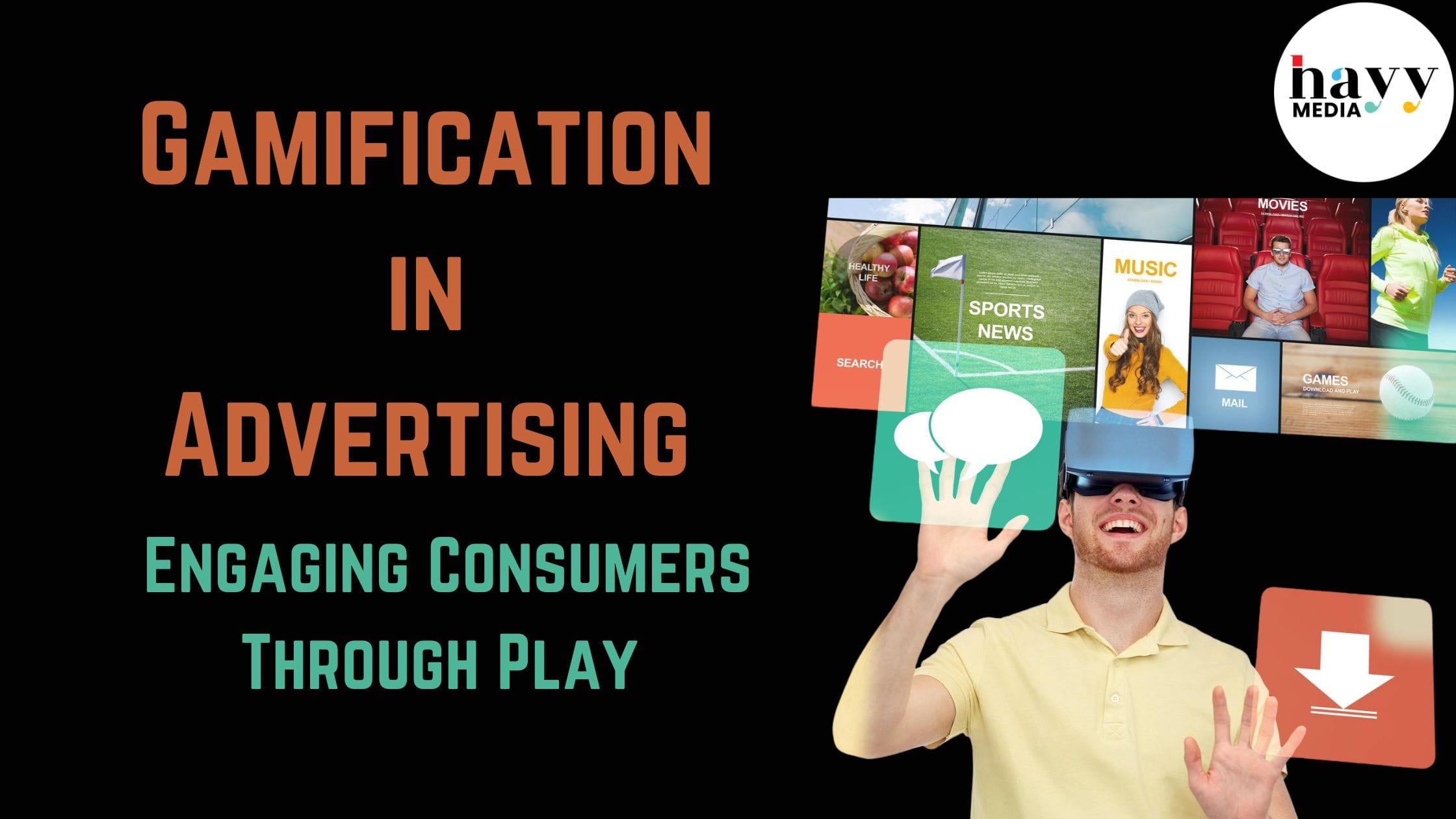
Gamification in Advertising: Engaging Consumers Through Play
- Hayy Media
- December 14, 2024
- INSPIRATION
- ad gamification benefits, blog, brand storytelling through games, consumer engagement strategies, gamification in marketing, interactive advertising
- 0 Comments
Gamification in Advertising: Engaging Consumers Through Play
In today’s fast-paced digital world, capturing consumer attention is a challenge for brands. Traditional advertising often struggles to cut through the noise, but gamification—integrating game-like elements into non-game contexts—is proving to be a game-changer. By turning ads into interactive, engaging experiences, brands can not only capture attention but also foster deeper emotional connections with their audiences.
Coventry is a city with a thousand years of history that has plenty to offer the visiting tourist. Located in the heart of Warwickshire
What is Gamification in Advertising?
Gamification involves using elements like rewards, challenges, leaderboards, or narratives to create immersive experiences. In advertising, this translates to campaigns that feel less like traditional marketing and more like entertainment. By blending fun with functionality, gamified campaigns encourage active participation, making consumers part of the story rather than passive spectators.
Why Gamification Works
- Engagement Through Interactivity Games inherently demand participation. Whether it’s completing a puzzle, collecting points, or unlocking a reward, consumers are drawn to experiences where they have agency. This interactivity keeps them engaged longer than traditional ads.
- Emotional Connection Games trigger emotions like excitement, curiosity, and satisfaction. These positive emotions can be directly associated with the brand, making consumers more likely to remember and interact with it in the future.
- Social Sharing Gamified experiences often include elements like leaderboards or sharable achievements, encouraging users to spread the word. This not only boosts brand visibility but also turns participants into brand advocates.
- Data Collection Gamification provides a natural way to gather valuable insights into consumer preferences and behaviors. By analyzing how users interact with gamified campaigns, brands can refine their strategies and offerings.
Successful Examples of Gamification in Advertising
- Nike Run Club and the “You vs. the Year Challenge” Nike’s gamified app encourages users to achieve fitness goals by turning workouts into competitions. Users can track progress, earn badges, and share achievements, all while staying connected with Nike’s brand mission of fitness and empowerment.
- McDonald’s Monopoly Campaign A classic example of gamification, McDonald’s uses the Monopoly board game format to engage customers. By collecting game pieces with purchases, customers can win prizes, keeping them coming back for more.
- Duolingo’s Gamified Learning Though not an ad campaign, Duolingo’s gamified approach to language learning offers valuable lessons for marketers. Features like streaks, levels, and rewards make the process enjoyable, ensuring users stick with it.
- Starbucks Rewards App Starbucks gamifies its loyalty program with challenges, bonus stars, and exclusive rewards. Customers are incentivized to visit more frequently to earn points, creating a cycle of engagement and loyalty.
How to Integrate Gamification into Your Strategy
- Start with Your Audience Understand your target audience’s interests and behaviors. A gamified campaign tailored to their preferences will have a higher chance of success.
- Set Clear Goals Define what you want to achieve with gamification—whether it’s increasing brand awareness, driving sales, or gathering user data.
- Keep it Simple Games should be easy to understand and accessible. Overly complex mechanics can frustrate users and drive them away.
- Incorporate Rewards Offer tangible benefits, whether it’s discounts, exclusive content, or recognition. Rewards keep users motivated to participate.
- Leverage Technology Use AR, VR, or mobile apps to create immersive experiences. These tools can elevate a simple game into a cutting-edge campaign.
The Future of Gamification in Advertising
As technology evolves, the scope for gamification will expand. AI-driven personalization can create custom gaming experiences tailored to individual users. AR and VR technologies will make these experiences even more immersive, blurring the lines between advertising and entertainment.
Gamification is more than just a trend—it’s a powerful tool for modern marketers. By making ads fun, interactive, and memorable, brands can not only capture attention but also build lasting relationships with their audiences.
At HAYY Media, we believe in innovative storytelling that resonates. Are you ready to level up your marketing game? Let’s connect!
#Gamification #AdvertisingTrends #InteractiveMarketing #HAYYMedia
DISCOVER MORE ENGAGING CONTENT



Leave A Comment