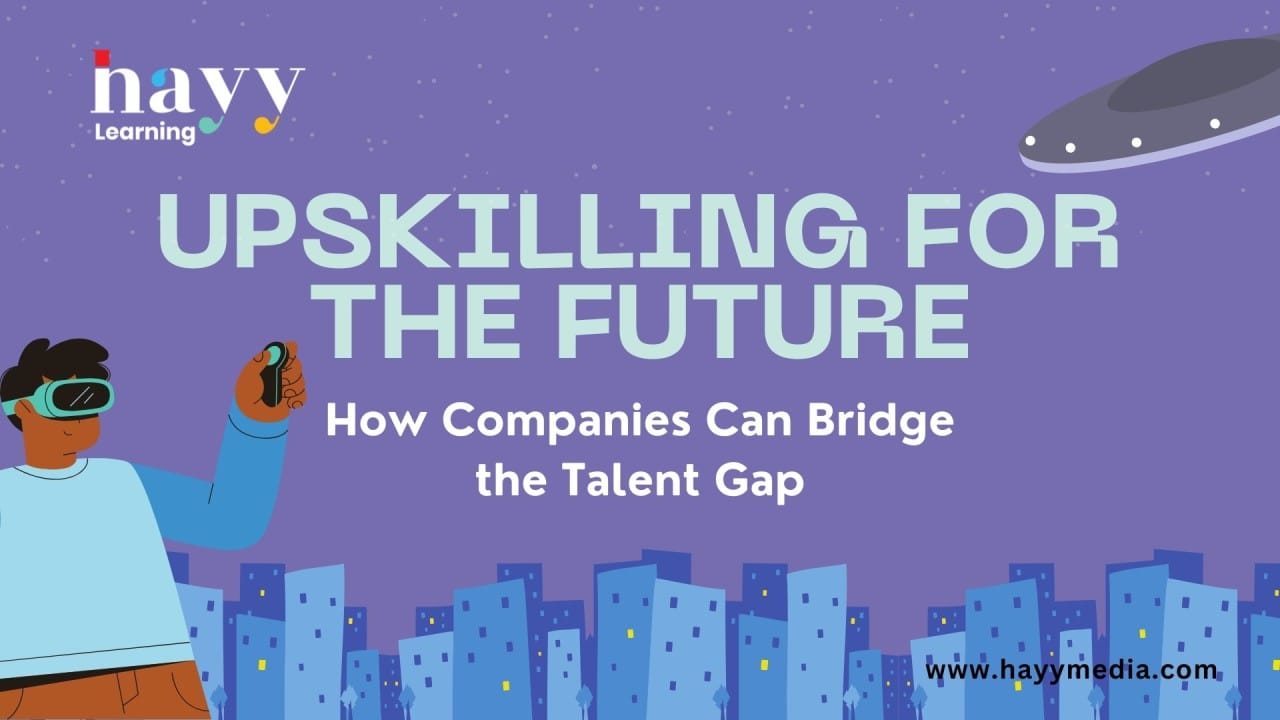
Upskilling for the Future: How Companies Can Bridge the Talent Gap
- Hayy Media
- February 15, 2025
- Hayy Learning
- 0 Comments
In today’s rapidly evolving job market, the skills required to succeed are changing at an unprecedented pace. Automation, artificial intelligence, and digital transformation are reshaping industries, making continuous learning and upskilling more critical than ever. Organizations that fail to invest in workforce development risk falling behind, while those that prioritize learning create agile, future-ready teams.
Why Upskilling Matters
The World Economic Forum predicts that by 2025, 50% of all employees will need reskilling. Jobs are evolving, and businesses must ensure their workforce remains competitive. Upskilling not only helps employees stay relevant but also benefits organizations by improving productivity, innovation, and retention.
A well-designed upskilling strategy allows companies to:
✅ Address skill gaps within their workforce
✅ Reduce hiring costs by training existing employees
✅ Increase employee satisfaction and engagement
✅ Drive business growth by staying ahead of industry trends
Key Areas for Upskilling
While technical skills are essential, companies must also focus on soft skills and leadership development. Some of the most in-demand skills include:
- Digital Literacy – Understanding new technologies, automation, and data analytics.
- Critical Thinking & Problem-Solving – Navigating complex challenges with innovative solutions.
- Communication & Collaboration – Working effectively across teams in hybrid work environments.
- Leadership & Adaptability – Preparing employees for managerial roles and leadership positions.
Building an Effective Upskilling Strategy
To successfully implement an upskilling program, companies must take a structured approach. Here’s how:
1. Identify Skill Gaps
Conduct a skills assessment to determine which competencies your workforce lacks. Utilize employee feedback, performance reviews, and industry research to pinpoint crucial areas for improvement.
2. Invest in Learning & Development Platforms
Online learning platforms like Coursera, Udemy, and LinkedIn Learning provide flexible and accessible training options. Companies can also develop in-house training modules tailored to their specific needs.
3. Encourage a Culture of Continuous Learning
Leaders must set an example by prioritizing learning. Providing incentives such as certifications, career growth opportunities, and internal mentorship programs can boost participation.
4. Blend Traditional and Digital Learning Methods
Adopting a mix of online courses, workshops, microlearning, and hands-on training ensures a well-rounded approach.
5. Measure and Adapt
Regularly evaluate the impact of upskilling programs through employee feedback, engagement metrics, and performance outcomes. Adjust strategies to ensure effectiveness.
The Role of Leadership in Upskilling
Leadership plays a crucial role in fostering a learning mindset. Managers and executives must: 🔹 Support employees by providing access to resources and learning opportunities 🔹 Recognize and reward those who actively engage in skill development 🔹 Align upskilling initiatives with long-term business objectives
Final Thoughts
In the age of digital transformation, companies that invest in upskilling will thrive while those that don’t risk obsolescence. By fostering a culture of continuous learning, businesses can bridge the talent gap, retain top talent, and stay competitive in an ever-changing market.
For more insightful articles, visit https://hayymedia.com/blogs/
DISCOVER MORE ENGAGING CONTENT



Leave A Comment